

______________________________________________________________
As we all know, the world was shut down in early 2020 due to a global health crisis. During this time, people began looking for ways to fill their seemingly endless time trapped at home. Many people tried their hand at creating online content through platforms like TikTok or YouTube. Some began making art through painting, sewing, pottery, and other mediums. Others tested their green thumbs and began cultivating home gardens for decoration or growing their own produce. But none of that is important to this article. I am most interested in the people who got up to cooking and baking during the pandemic. I know that I tried my hand at making sourdough, as did many others. Because of this increase in people making new foods, I am curious how it affected Canadian food literacy. Did this increase in cooking and baking among individuals stuck at home boost Canadians’ culinary knowledge or general culinary literacy?
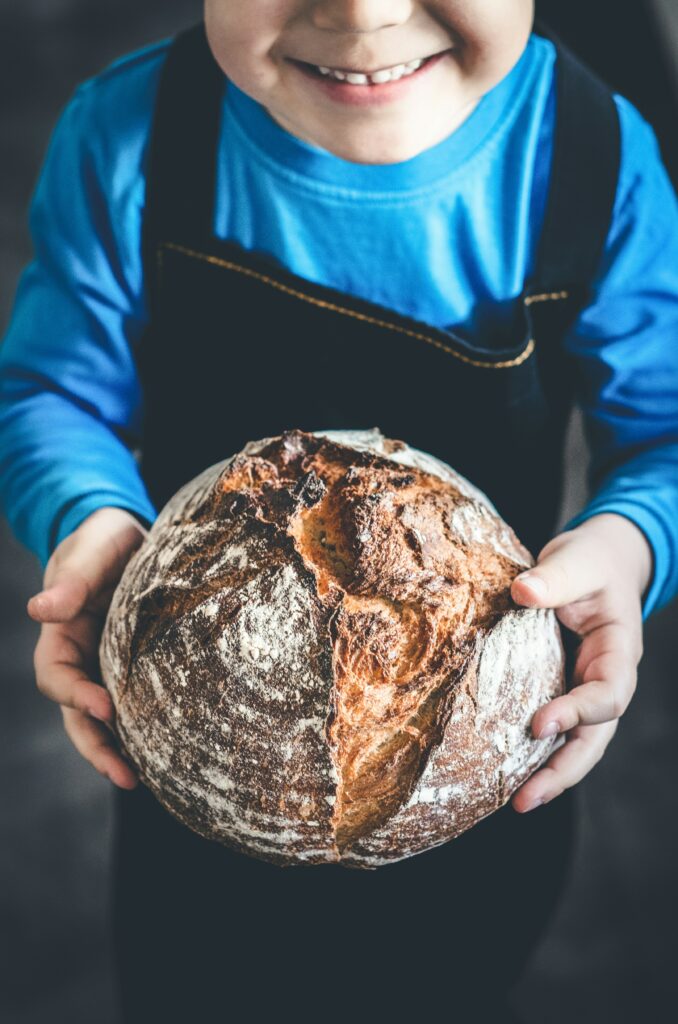


My Culinary Journey During LOCKDOWN
I was in my first year of high school (Grade 10) when the pandemic hit and lockdowns were instated. My parents, in an attempt to get me off my computer, told my brother and me to find some activities to do. Since I heard many others were trying it I suggested we should try making sourdough starters. We made two starters, one with wheat flour and another with gluten-free flour for my mom, a celiac. The starters didn’t go well, they kept getting mouldy and needing to be refreshed or restarted. Another issue we ran into was my mom’s allergy. Making the non-GF bread left flour hanging in the air and she would react to that by getting hives and becoming itchy. We decided to stop trying to make bread. During this process though we didn’t learn any new skills or recipes as a household since my dad is a red seal chef and knew how to make bread. With that being said, maybe my experience with cooking over the pandemic isn’t a good benchmark.
My Thoughts on a Canadian Survey of Food Literacy before and after LOCKDOWN
So what are the statistics for Canada as a whole? According to a survey conducted by Dalhousie University, food literacy may have increased less than I originally thought. According to the survey, the average number of recipes known increased by about 0.5. I would have imagined that this value would be much higher considering many people did not have much to do and instead took to baking and cooking foods such as sourdough. In a more detailed breakdown of these numbers, millennials seemed to have learned more recipes with an average increase of 1.1 to recipes known. Gen Z has the second-highest increase at 0.9, then Gen X with 0.5, and finally Boomers with 0.2. The silent generation appears to have missed the survey. From the numbers in the survey, their order of increase does make sense. Gen X and the Boomers have lived longer and know more recipes so finding something new could be more difficult. There are many millennials and their age group seemed to be the most active in creating content on YouTube and TikTok so it makes sense they would be active in trying other activities as well. And then Gen Z being the youngest group here makes sense having a higher number but I don’t feel we are as active as the millennials. It is interesting to note that in the next section of the survey report, there is a section comparing the average number of known recipes between the provinces. All of the provinces have slight increases except for Nova Scotia which during the pandemic lost an average of 0.2 recipes. I am unsure as to the reasoning for this and the survey makes no further mention of it.
The next section of the Survey looks at the use of ingredients in cooking. According to Dalhousie University’s survey, 48% of Canadians tried to use a new ingredient in their cooking. 67.5% of these new ingredients were spices followed by 36.9% being new vegetables. I believe these two categories could be the highest because of the planting of new gardens. While stuck at home many people tried growing produce in their yards or apartments. For spices, herbs may have fit into this category and herbs are quite easy to grow and maintain even in a small apartment. This creates an ease of access to trying the new ingredients at home.
Final Thoughts
After looking over the survey by Dalhousie University it would appear that Covid-19 may not have increased Canadian’s food literacy much at all. Being stuck at home seems to have allowed individuals to build on recipes they already know and love. People branched out and tried more new ingredients, especially spices, but not many new recipes. The lockdown caused by global pandemic seemed to allow people to experiment and be creative around things they already know and love.
Leave a Reply
You must be logged in to post a comment.