
By Kirby Young
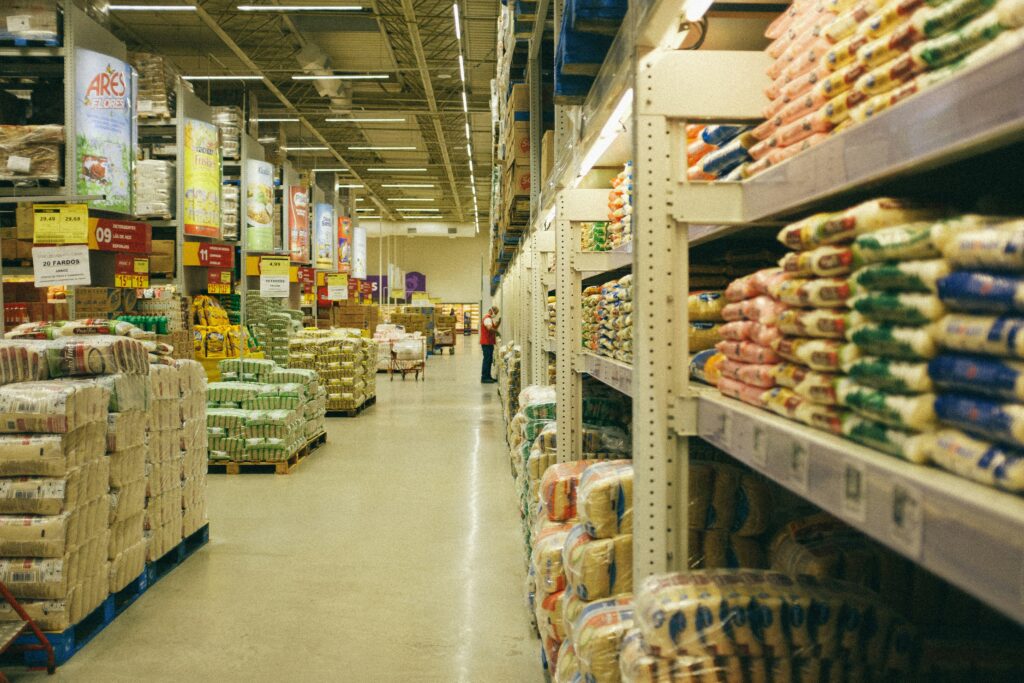
Countless times throughout a person’s life they will be told to “eat healthy.” Fresh fruits and vegetables are the hallmarks of this idealized choice. On the other end of the spectrum, junk food like chips and gummy candies are decried for their lack of long-term nutritional value. The rising cost of groceries in all forms has contributed to the higher cost of living; however, the difference in price between healthy foods and so-called junk foods has led to a growing inability for the average consumer to purchase more nutritional foods.
I’ve found that choosing to eat healthy is expensive, even beyond trying the supposedly healthier vegan or ‘organic’ options.
Small Budgets
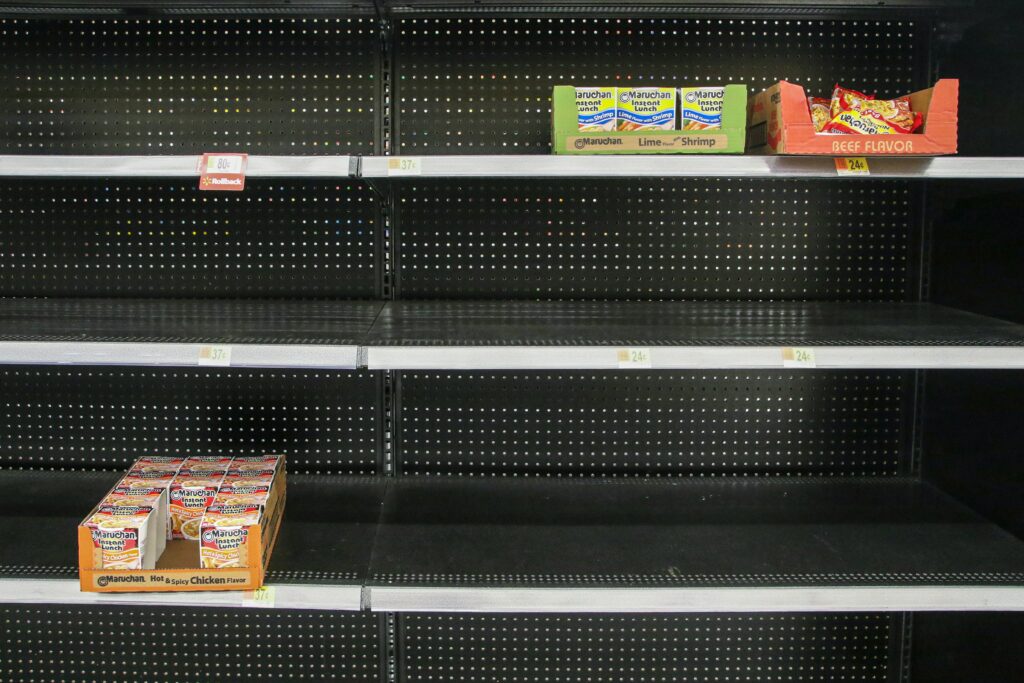
For more of a personal anecdote, when I was living on my own, I had a budget of $200 a month for food, and buying fruits and vegetables was always costly. If I wanted to eat well it took a huge chunk out of my budget to purchase healthy and nutritious items, mind you, this was basically spending $50 a week, trying to keep within my budget. And it was very difficult! If you only have $50 to spend on food and the bag of grapes is close to $20 whereas the packs of ramen is around $1.69 the choice feels obvious. I could get several full meals instead for the same price as fruit or stuff that was good for me. The junk food lasted longer, fruits and vegetables falling prey to the basic degradation of time. Imagine you have $50 a week to spend on food and you’re not just buying for one college student, you’re buying for a family. The cost of eating healthy skyrockets then, and especially if you can only afford to buy from the dollar store. The dollar store doesn’t have any fruit, and any it does have you probably shouldn’t be eating, but that’s the thing. What are you gonna do?
Being a student and working with a student budget isn’t easy. You are paying thousands of dollars a year to study something that may not make you money later on. That might allow you to make back the money you’ve spent or clear the debt you’ve put yourself into. Food is a necessity to survive. It’s something you know. I think about it constantly, eating food is a privilege that I am so lucky to have but the cost alone when you have so much responsibility for the first time is too much. From a student perspective healthy food is not easily affordable. If you’re very careful about it, you can squeeze out some fruit here and there between assignments, whatever job you’re working, and the cost of tuition. It’s an added stress that most people sidestep by just not eating well.
This decision is one that millions of people have to make every day. In Caitlin Daniel’s article on how low-income Americans evaluate the cost of food, Daniel mentions that a common theme in the interviews conducted was the consideration towards how long a bought food item would last. There are several factors in how that ability to last was calculated; how long until it spoiled, how fast it would be eaten once it entered the family supply, and so on.
Feeling Full (Nutritional Values and Fullness)
There is an obvious price difference between a bag of chips and a small container of fruit. Even though the fruit is healthier for you, the chips are both cheaper, and seem to fill you up faster than the fruit. I’ve heard that water density within a food affects how long it satiates you, though that information came from Noom, a weight loss app I briefly downloaded during my high school years. Looking into the subject now, it takes a lot of parsing to find where the Noom company sourced those results from. Glancing through the 40+ publications listed on the Noom website, I can’t find any mention of the water density idea despite remembering learning it from the app years ago. (Most of those publications are on the other side of Noom’s methods, ones pertaining to the psychological approach the company appears to favour.) So where does the idea come from? While it’s true that many vegetables such as the humble cucumber, the vivacious tomato, and the adaptable lettuce are over 90% water, I can’t find any mention of the satiating effects supposedly associated with water dense foods. What I can find however, is mentions of the hydrating effect.
“There’s a much better article on this you should read”
If you are interested in this topic, I again turn to Caitlin Daniel’s study on the subject. Though it focuses on Low-Income American families, the findings can be applied to the rest of the western world as well. With the cost of living (which includes food, water, utilities, car payments, etc) beginning to vastly outpace the average household income, millions across the globe are suffering the effects.
Leave a Reply
You must be logged in to post a comment.