
13 December, 2024

Canada has bitten off more than it can chew.
Tonnes of food, one of few entirely necessary resources for human life, is thoughtlessly wasted every year and lost through the food system of production, consumption, sale and distribution. While this loss is preventable, it still has our world in a chokehold that results in greenhouse gas emissions, financial losses, and food insecure households. Almost half of our food is wasted and yet the country is at arms with rising grocery bills, people dealing with immense food insecurity, and the erratic changes of our climate.
What is Food Waste and Loss?
Food loss and food waste are separated by the “where” and “why” when looking at the supply chain. The website “Post-Harvest” has an easy read article called “The difference between food loss and food waste” that shows the distinctions between the two.
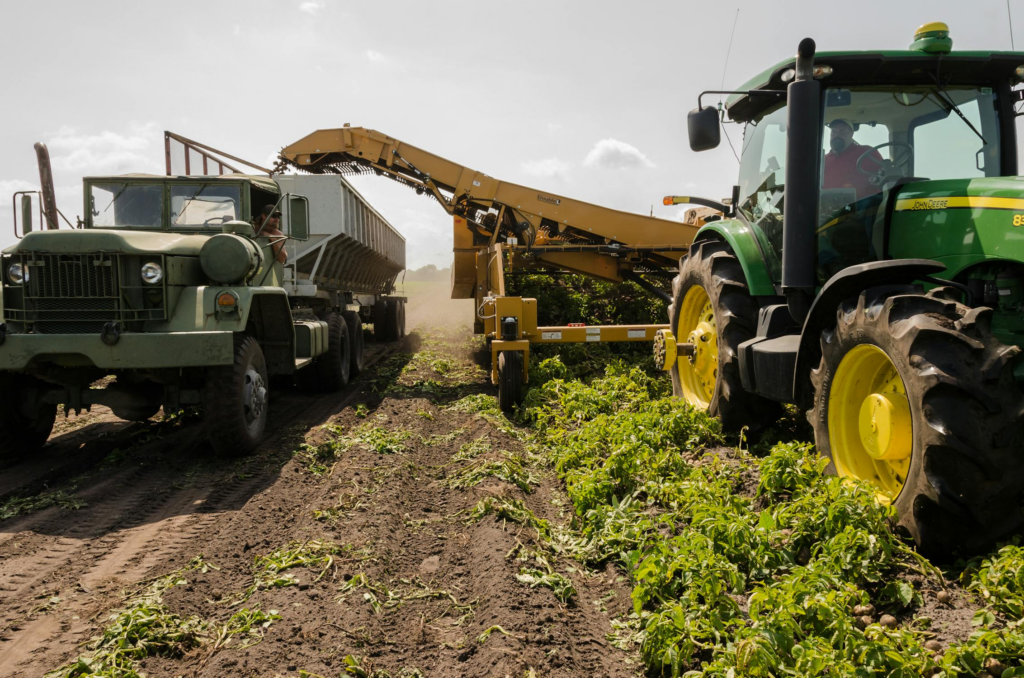
Food loss is in the early stages, in places such as production, post-harvest handling, transportation, and storage. Loss of food is likely caused by factors such as poor weather conditions, pest damage, or fluctuations of market prices that leave crops unreaped. After harvest loss can happen due to improper storage that leads to spoilage or damage, while issues of transportations like delays or temperature problems further contribute to the problem. Losses also occur during processing and packaging. When the aesthetic standard is not met, edible portions of food are discarded.
Food waste contrasts loss as it often occurs later down the supply chain. This waste happens most often in retail, food service, and household environments. This may stem from improper storage, overstocking, or ignorance to “best before” dates. Retailers will often discard unsold food near an expiry date or reject “unaesthetic” produce that they figure will be more difficult to sell. Other establishments, such as restaurants, contribute by over-portioning meals. When a restaurant is popular due to their large portion sizing or buffet style service, a lot of food will be thrown away. Not to mention this food waste is seen directly in our households. Leftovers are thrown away or food turns spoiled due to over-purchasing or poor meal planning.
The key distinction lies in the stage of the food system where waste occurs. Food loss happens before the food reaches the consumer, while food waste occurs after food is available for purchase, driven primarily by human behavior and retail practices. Both issues present significant challenges to sustainable food systems and environmental conservation.
Avoidable Food Waste/Loss
Second Harvest, Canada’s most predominant food rescue organization, states that 46.5% of food in Canada is wasted, and the 41% that is avoidable comes with a price tag of $58 billion. Our country is spending $58 billion on food that could be consumed, but is instead wasted due to overstock in stores, over-serving portion sizes, inefficient preparation, over-purchasing, ignorance surrounding best before or sell-by dates, and insufficient storage of food which can help increase shelf or fridge life. Some of the more avoidable practices that lead to further waste of food directly mistreats nature. This involves produce being left to decay in fields due to the inability to sufficiently manage labour, fish being thrown back into water and left to die due to them not meeting the standard, and acres of produce being plowed under. All of these practices are immensely avoidable and yet still have not been completely and successfully fought against. The first step is to be aware of these practices that perhaps occur absentmindedly, but the second step is doing something proactive to help reduce the waste we are producing so that our country can be healthier, happier, and overall better-off.
Climate
This loss and waste of food negatively affects our declining climate by sending a huge amount of wasted food to landfills where it is left to produce greenhouse gases such as methane. Greenhouse gases take in the heat from the sun that radiates from the surface of the Earth, insulate it in the atmosphere and prevent it from escaping to space. In the article “How Does Methane Affect the Environment?” methane is described as a powerful greenhouse gas that has upwards of eighty times the warming power of carbon dioxide, and a particular greenhouse gas that absorbs energy especially well. This keeps Earth warmer than it should be. This warming of the Earth alters the intensity of weather events and worsens our air and water quality, thus affecting us and the world around us.
The waste of food also relates to the waste of the resources and energy that is used to grow, store, and transport food. These resources such as land, energy, and water are mindlessly contributing to the production of carbon dioxide and further affecting the warming of our climate and the change that it brings. When food is continuously being wasted and lost, along with the rise of our population, there comes demand for more food to be produced. This means even more land and resources are being taken advantage of, and in turn creating more greenhouse gas emissions, also negatively affecting natural habitats, and making the impact on the climate even larger.
Economy and Food Insecurity
Not only is food waste a climate enemy, but also an economical one. With the overwhelming $58 billion that is wasted due to this wasting of food, this waste shows a towering burden financially on the food industry as well as their consumers.
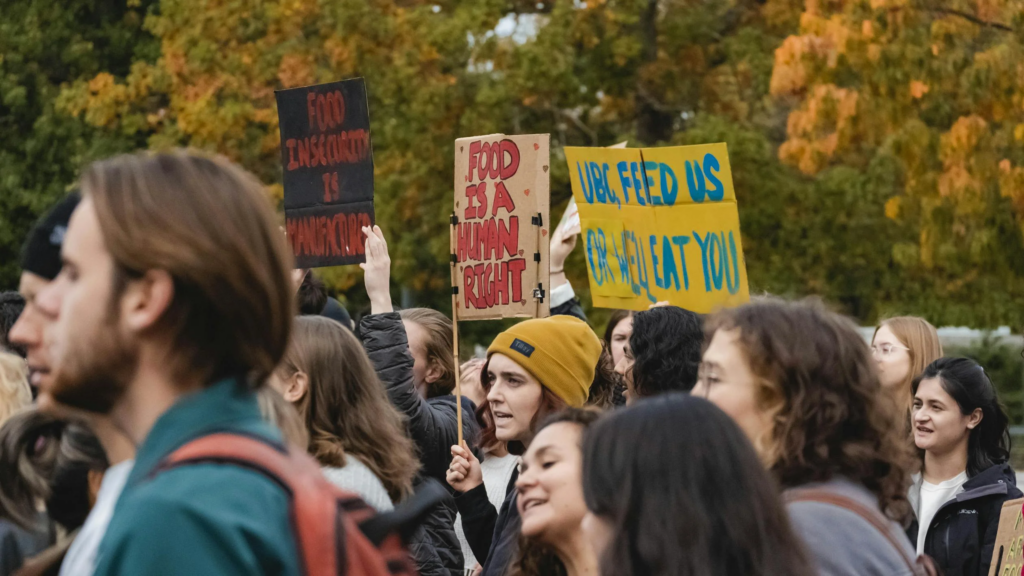
Food insecurity is a prominent issue in Canada. In 2023, research in The Daily showed an alarming 22.9% of people in Canadian provinces lived in a food-insecure household. That equates to 8.7 million people living in food insecurity. With this mass amount of food being wasted everyday, not only is it harming our climate and our economy, but there are millions of people who are deprived of a simple human necessity. When food insecurity rises in homes, so does the possibility of malnutrition. In the 2022 journal article “Enablers and barriers of harnessing food waste to address food insecurity: a scoping review” written by Matthew Lai, Anna Rangan, and Amanda Grech, it is said that internationally 2 billion people are micronutrient deficient. When deficient in micronutrients, the threat of malnutrition and other diet-related diseases such as diabetes and hypertension is higher.
If we take into account the avoidable food waste, the food left to rot in the acres of land, and the fish being thrown back into the water once caught and harmed, this percentage of people in our country suffering from food insecurity and a lack of nutritional intake could decrease quite significantly. That is just a couple examples, not to mention the food, which is frequently still edible, that people throw out due to best before dates. If the majority took the time to educate themselves on food preparation and over-buying, then strove to change the unethical practices in fishing and food production areas, many more individuals could eat and be food secure, as well as decrease the amount of food being thrown away and wasted.
Reducing Food Waste
Reducing food loss and waste is a powerful step in the journey of creating a more sustainable food system. Individuals, businesses, and communities can take great action to tackle this issue by being more mindful of how they handle, consume, and distribute food.
The beginning of what we can do to reduce food waste and the troubles that come with it starts in our own homes. In her CBC article Andrea Janus says that on an average, a household in Canada wastes $1,766 in avoidable food loss and waste. There are practices we can implement to decrease this number and sufficiently fuel our bodies with what we have.
When food shopping, only buying food you know will be used before spoiling is an efficient way to control over-buying. This can look like meal planning in reusable containers, taking note of how much food you commonly eat in a week, and sorting out meal ideas before shopping.
While preparing food, take care to notice what parts of the food are being tossed away and if there is any way to utilize every bit of what you’re purchasing to reduce the amount being tossed. Surprisingly, you will learn that a lot of what you are throwing away is actually edible or usable. I have seen and also often myself reused coffee grounds for skin care, have watched watermelon rinds being repurposed into kimchi, parmesan rinds cooked into cheese puffed snacks, an overstock of bruising vegetables being turned into a green pasta sauce or salad dressing, and even bread crusts being airfried into cereal. Also, a good tactic to use in terms of preparing food to last, is cooking meat as soon as you buy it, as it often is the food that turns the quickest. Another way is to make sure leftovers and produce are properly stored away to avoid early spoiling. Depending on what the leftovers and produce are, there are specific ways to store them to increase their longevity. Some produce does better if stored in water, bread can be stored in the freezer to reduce the risk of mold, treat herbs like flowers and keep them in water when not using them, cook extra meals and freeze them, and make sure temperatures are suitable for the storing of food. There are possible ways to decrease our household waste, it simply seems that people have connected these leftover pieces to be seen as garbage or unappealing, but with these little differences in our everyday life we could lend a hand into the bigger picture of our food crisis.
If these actions are practiced in your home, consider volunteering or donating, if you have the means to, to wonderful non-profits like Second Harvest and Food Banks Canada as they put in immense effort to rescue and redistribute extra food to those in need.
Although, this problem does not stop in the comfort of our home. Businesses should be held accountable as well. They could focus more on donating their surplus food to local organizations or put effort into practices that reduce food loss in supply chains. They could take initiative by selling “ugly” produce or limiting the amount of supply they receive.
Government is an important factor in the issue of food loss and waste as well. The Government of Canada is working with the USA and Mexico to address food loss and waste under the Commission for Environmental Cooperation. This cooperation is working toward a better present and future to promote conservation and protection of North America. It pursues the prevention of environmental conflicts and promotion of environmental laws. Also, the Canadian government is committed under the Strategy on Short-lived Climate Pollutants to strategize ways to reduce food waste. The Food Policy for Canada tackles these issues too, by guiding decisions and actions in the case of food in ways such as income support programs for those in poverty which could help with insecurity of food, policies to improve food environments, initiatives to reduce greenhouse gas emissions, and investing in the innovation of increasing the food sector’s capacity to produce food of better quality.
With the power of community, government, and action, we could see Canada grow into a more sustainable country. This multitude of actions being taken by our government as well as individuals and non-profits are very important, though this problem is still evident across Canada. For now the best thing is to lead this important conversation, learn more about food waste and loss to make space for change and learn why it is important, hold businesses and the government accountable and demand for more action, and take the challenge every day to make any and all changes we can. Food is a necessity, a beautiful thing everyone deserves to enjoy to healthily live their lives. Wasting it should not be as easy and thoughtless as it is, and once we have a grasp on it, Canada will be more beautiful and powerful than ever.
There is always more we can do.
Leave a Reply
You must be logged in to post a comment.